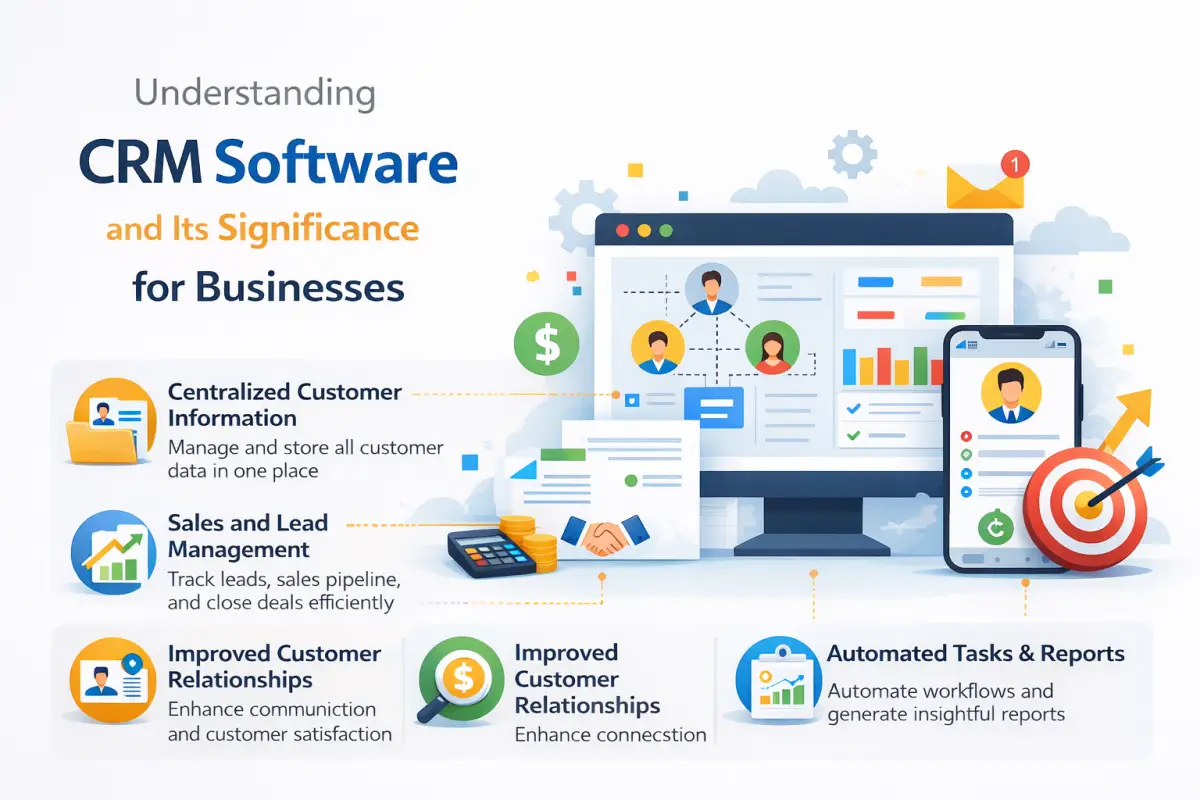
Understanding CRM Software and Its Significance for Businesses
What Is CRM Software?
Customer Relationship Management (CRM) software is a tool designed to help businesses manage their interactions with current and potential customers. It provides a centralized hub for storing customer information, tracking interactions, and analyzing data. Through CRM software, organizations can streamline their processes, enhance customer relationships, and improve overall efficiency.
At its core, CRM software enables businesses to organize and automate customer data, communication, and feedback. By doing so, it allows companies to maintain detailed records of customer preferences, purchase history, and engagement patterns. This capability aids in crafting more tailored marketing strategies and personalized service offerings.
Why CRM Software Is Important in Modern Business
In today's competitive landscape, effective customer management is essential. CRM systems play a crucial role in helping businesses understand their customers better. By using CRM software, companies can enhance their service delivery, leading to higher customer satisfaction and loyalty.
Moreover, CRM systems support data-driven decision-making. With access to comprehensive analytics, businesses can identify trends and patterns that inform their strategies. This insight is invaluable for adapting to market changes and customer preferences, ultimately driving growth.
How CRM Software Works
CRM software functions as a repository for customer data, enabling users to input and access information easily. It typically includes features for capturing leads, tracking sales activities, and managing customer interactions. The software can integrate with other business applications, such as email and marketing tools, to create a cohesive workflow.
When a user inputs data, the CRM system organizes it into manageable segments. This allows for easy retrieval and analysis. Users can generate reports and dashboards that provide insights into sales pipelines, customer behavior, and overall business performance.
Key Features of CRM Software
CRM software offers numerous features that can greatly benefit businesses. Here are some key capabilities:
- Contact & Lead Management: This feature allows users to track customer information and leads efficiently.
- Sales Pipeline Management: Businesses can monitor potential sales opportunities and stages of the sales process.
- Marketing Automation: Automating marketing tasks helps maintain consistent communication with customers.
- Customer Support & Ticketing: A robust support system ensures that customer queries are handled promptly.
- Analytics & Reporting: Businesses can leverage data insights to make informed decisions.
Types of CRM Software
There are different types of CRM solutions tailored to various business needs:
- Operational CRM: Focuses on automating and improving customer-facing processes.
- Analytical CRM: Emphasizes data analysis to make sense of customer behaviors and trends.
- Collaborative CRM: Enhances communication between departments to improve customer service.
Why Businesses Use CRM Software
Companies adopt CRM software for several reasons. Primarily, it helps improve customer relationships, which can lead to increased sales and revenue. By understanding customer preferences, businesses can tailor their offerings more effectively.
Additionally, CRM systems facilitate better customer service. With organized data, support teams can respond to inquiries and issues more efficiently. This responsiveness fosters a positive customer experience, which is vital for retention.
CRM Software for Small vs Large Businesses
The choice of CRM software can vary significantly between small and large businesses. Smaller companies often seek cost-effective solutions with essential features that can grow with them. In contrast, larger enterprises may require robust systems with advanced functionalities and greater customization options.
Small businesses might prioritize user-friendliness and affordability, while larger firms may focus on scalability and integration capabilities. Understanding these needs is crucial when selecting the right system.
Cloud-Based vs On-Premise CRM
Companies can choose between cloud-based and on-premise CRM solutions. Cloud-based systems are hosted on the vendor's servers, allowing users to access them through the internet. This option is typically more flexible and cost-effective, with lower upfront costs.
On-premise solutions, however, require businesses to host the software on their servers. While this may offer more control over data security, it often comes with higher maintenance costs and a need for IT resources. Each option has its pros and cons, and businesses should assess their specific needs before deciding.
Popular CRM Software in Tier-1 Countries
In high-demand markets, several CRM systems have gained popularity. Notable names include Salesforce, HubSpot, and Zoho CRM. Each of these platforms offers unique features tailored to meet the diverse needs of businesses.
Salesforce, for instance, is known for its extensive customization capabilities. HubSpot stands out with its user-friendly interface and integration with marketing tools. Zoho CRM is often praised for its affordability and versatility, making it a strong contender for small to medium-sized businesses.
CRM Software Pricing Models
Pricing for CRM software can vary widely based on features and deployment methods. Many systems operate on a subscription basis, with monthly or annual fees that can scale based on the number of users or features needed.
Some vendors also offer tiered pricing structures, allowing businesses to choose a plan that fits their size and requirements. It's important to evaluate what each pricing tier includes to ensure it aligns with business needs.
Common Mistakes Businesses Make with CRM
Many organizations make mistakes when implementing CRM systems. One common error is not providing adequate training for employees. Without proper training, users may not utilize the software effectively, leading to wasted resources.
Another mistake is failing to clean and maintain data. Inaccurate or outdated information can hinder decision-making and customer interactions. Regular audits of data quality are essential for maximizing the benefits of a CRM system.
Future of CRM Software
The future of CRM software looks promising as technology continues to evolve. Emerging trends include the integration of artificial intelligence, which can enhance data analysis and customer insights. Predictive analytics will allow businesses to anticipate customer needs and behavior more accurately.
Additionally, developments in automation tools will further streamline processes, allowing businesses to focus on building relationships rather than managing data. As these technologies advance, CRM systems will become increasingly sophisticated.
Final Thoughts: Is CRM Software Worth It?
Investing in CRM software can yield significant benefits for businesses of all sizes. The potential for increased sales, improved customer retention, and better data management makes it a valuable tool. However, selecting the right system and ensuring proper implementation are key.
Ultimately, the right CRM software can transform how a business interacts with its customers. By fostering strong relationships, companies can create a loyal customer base that drives growth and success.