Comparing Third-Party and Comprehensive Car Insurance: What You Need to Know
What Is Third-Party Car Insurance?
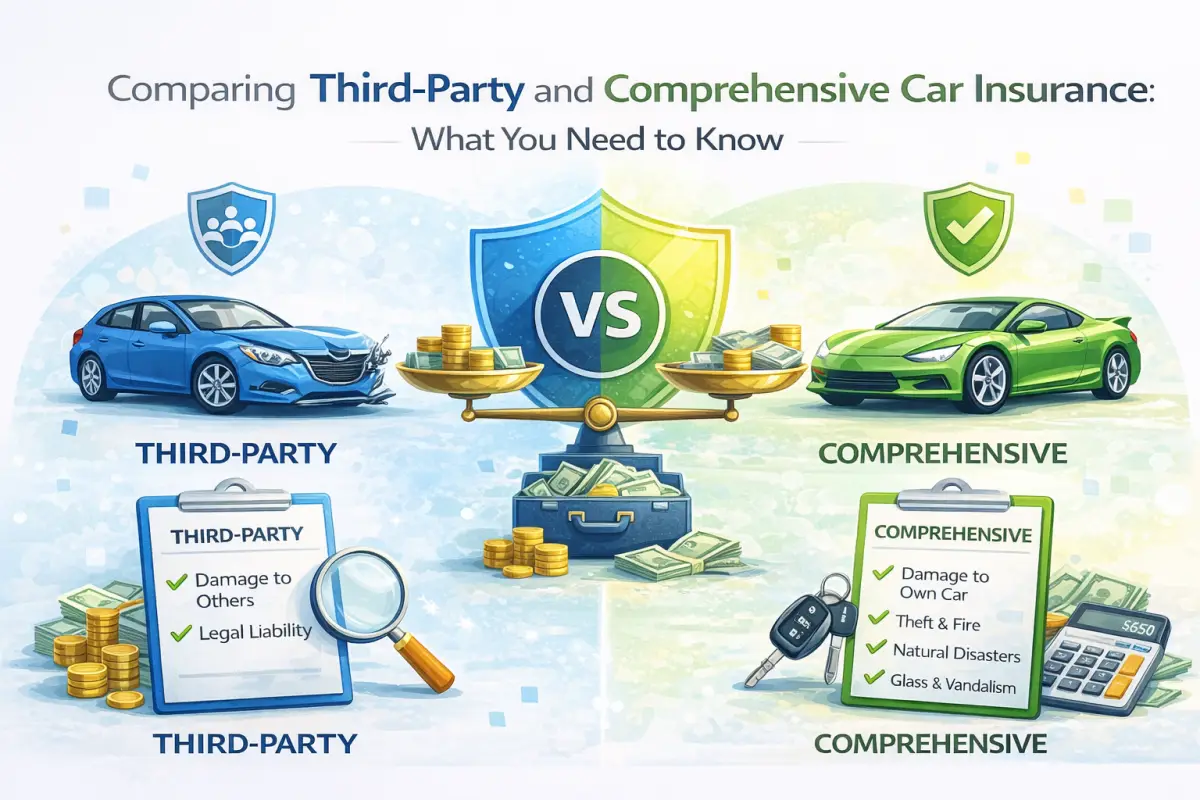
Third-party car insurance is a type of coverage mandated by law in many countries. This policy protects you against claims made by other drivers when you are at fault in an accident. It covers damages to their vehicle and any injuries they may sustain. However, it does not provide any protection for your own vehicle or medical expenses. This makes it a basic option, primarily aimed at meeting legal requirements.
The main advantage of third-party insurance is its affordability. Since it offers limited coverage, the premiums are generally lower than those for comprehensive policies. This makes it a suitable choice for budget-conscious drivers or those with older cars who may not want to invest heavily in insurance.
What Is Comprehensive Car Insurance?
Comprehensive car insurance, on the other hand, provides a broader range of protection. This policy covers not only third-party liability but also damages to your own vehicle, regardless of who is at fault. It includes protection against theft, vandalism, fire, and natural disasters, as well as personal injury costs.
Third-Party vs Comprehensive Car Insurance: Key Differences
Understanding the differences between these two types of car insurance is essential for making an informed choice. The primary distinction lies in the extent of coverage. Third-party insurance focuses solely on damages to others. In contrast, comprehensive insurance covers a wider range of incidents, including those affecting your own vehicle.
Another difference is the cost. Third-party insurance is generally cheaper due to its limited coverage. Comprehensive insurance involves higher premiums but offers a safety net for various unforeseen circumstances. The choice between the two will depend on your individual needs, budget, and the value of your vehicle.
Which Car Insurance Is Cheaper?
When it comes to cost, third-party insurance is the clear winner. The premiums for this type of coverage are lower because it does not cover damages to your own vehicle. This makes it an attractive option for drivers looking to minimize expenses.
Comprehensive insurance, while more expensive, provides extensive coverage. It may be worth the additional cost if you own a newer or more valuable car. Ultimately, the best choice depends on your financial situation and how much risk you are willing to take on.
Which Policy Is Better for New Cars?
For new cars, comprehensive insurance is generally recommended. The higher premiums may seem daunting, but the added protection can save you significant costs in the event of an accident or theft. New vehicles are more susceptible to theft and damage, making comprehensive coverage a wise investment.
In contrast, third-party insurance might be suitable for older cars. If the value of your vehicle has depreciated significantly, you may find that the cost of comprehensive coverage outweighs the benefits. It is essential to evaluate the value of your car and your personal circumstances when making this decision.
Claim Scenarios: Real-Life Examples
Understanding how these insurance types work in real-life scenarios can help clarify their benefits and limitations. Here are a few examples:
Scenario 1: Minor Accident
Imagine you are involved in a minor accident where you are at fault. If you have third-party insurance, it will cover the damages to the other party's vehicle, but you will have to bear the cost of repairing your own vehicle. With comprehensive insurance, your insurer would cover the repair costs for both your car and the other party's vehicle.
Scenario 2: Vehicle Theft
If your vehicle is stolen, third-party insurance will not provide any compensation. However, with comprehensive coverage, you could file a claim to recover the value of your stolen vehicle, potentially saving you from a significant financial setback.
Scenario 3: Flood or Storm Damage
In the event of storm damage to your car, third-party insurance would not assist you. You would need to pay for repairs out of pocket. Comprehensive coverage, however, would include this type of damage, allowing you to make a claim and lessen your financial burden.
High CPC Insurance Add-Ons You Should Consider
When selecting car insurance, consider additional coverage options. These add-ons can enhance your policy and provide extra security. Some popular options include:
- Roadside Assistance: This offers help in case of a breakdown or flat tire.
- Personal Accident Cover: This provides compensation for medical expenses following an accident.
- Zero Depreciation Cover: This ensures you receive the full value of your vehicle in case of a claim.
Each of these add-ons can increase your premiums but may be worth considering for additional peace of mind.
Which Car Insurance Should You Choose?
Choosing the right car insurance depends on several factors. Consider the age and value of your vehicle. If it is new or holds significant value, comprehensive insurance may be the best route. For older cars, third-party coverage might suffice.
Also, evaluate your budget. If you are looking to save money, third-party insurance is a good option. However, if you want extensive protection, be prepared for higher premiums with comprehensive coverage.
Final Verdict
In summary, both third-party and comprehensive car insurance have their pros and cons. Third-party insurance is affordable and meets legal requirements but offers limited protection. Comprehensive insurance provides extensive coverage, making it a better option for new or high-value vehicles.
Ultimately, your decision should reflect your financial situation, the value of your car, and your willingness to take risks. A careful assessment will lead you to the policy that best suits your needs.